News
May 2026 Recap
Jun 02, 2026
Standing Together Against Bullying
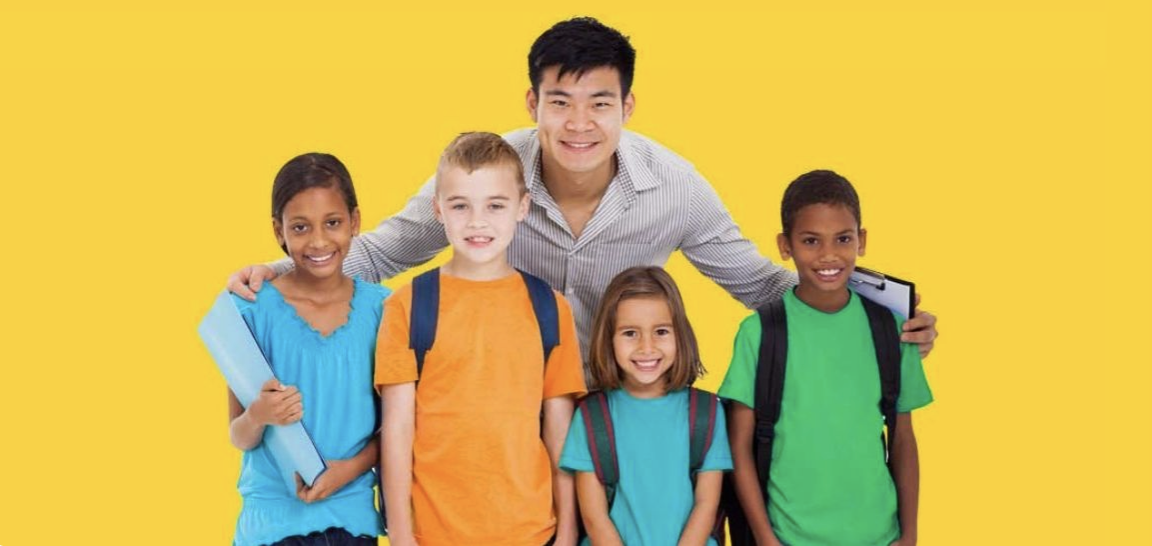
Bullying can be overwhelming for any child or teen. It can affect their emotions, their learning, and their sense of safety. For students who are neurodivergent, or perceived as neurodivergent, differences in how they learn, communicate, move, or interact can increase their risk of being bullied.
The UC|CSU Collaborative for Neuroscience, Diversity, and Learning has spent much of this past month excitedly preparing for the release of our Standing Together series, a toolkit created in partnership with the California Department of Education to strengthen anti-bullying protections for students who are neurodivergent per California Senate Bill 939.
Students with disabilities are 3-4 times more likely to be bullied than their peers, often for learning, communicating, or interacting differently. By translating developmental and brain science into clear, actionable insights, our goal is to empower every adult in schools and communities to recognize, respond to, and prevent bullying–so all students feel safe, included, and ready to learn.
kathy do, assistant project scientist
We have a free collection of videos and downloadable resources for educators, families, and students. These videos and resources explore what bullying looks like, what neurodiversity means, and how a child’s brain and behavioral development can influence bullying situations across grade levels. Importantly, the toolkit goes beyond identifying problems — it offers practical solutions and prevention strategies that educators, parents, and caregivers can implement to create safer, more inclusive environments.
Materials are available in English and Spanish and broken down into two categories: elementary and secondary-aged students.
From Students to Changemakers
The policy arm of the UC|CSU Collaborative has also been busy, specifically our Education Policy Internship (EPI) program. Members put together a three-part webinar series called the Civic Leadership Series with featured guests, such as Brooks Allen, Chief Justice Tani Cantil-Sakauye, and upcoming on June 3, Chair of the Assembly Education Committee Dr. Darshana Patel.
This year, California marks 175 years of statehood and the United States approaches its 250th anniversary. This 3-part webinar series connects research, policy, and practice, demonstrating how civic engagement strengthens communities, supports student well-being, and expands opportunity. Through sessions focused on California’s legislative, executive, and judicial branches, viewers will learn how the government actually works and how students can engage with each branch during a critical election cycle.
Always remember: your voice can help advance a more inclusive, accessible education system for all.
Government is meant to serve everyone, including students. By connecting students directly with key education policymakers, the Civic Leadership Series not only promotes civic engagement, it reminds students that their voices and experiences have the power to shape a more inclusive education system.
Megan valladao thomas, program manager of public engagement and policy programs
Language, Literacy, and Dyslexia Series Update

Our Literacy & Dyslexia Team has expanded our Language, Literacy, and Dyslexia Series with a new module titled Supporting Written Expression in Diverse Learners: A Developmental Perspective PK-Adulthood. This module presents characteristics of writing in diverse learners from the preschool years through adulthood. Effective assessment and instructional practices are described for learners who may or may not be at risk for reading difficulties, such as dyslexia. Throughout this module, writing is not only conceptualized as a powerful reflection of reading, but an extraordinary contribution to its development over time. This module also addresses TPEs 7.1 through 7.11.
TPE 7.1 – Plan and Implement Evidence-based Literacy Instruction (Appropriate to children’s age, grade, development)
TPE 7.2 – Plan and Implement Evidence-based Literacy Instruction (UDL, MTSS, California Dyslexia Guidelines)
TPE 7.3 – Asset-based Pedagogies
TPE 7.4 – Literacy instruction that is active, motivating and engaging
TPE 7.5 – Foundational Skills
TPE 7.6 – Meaning Making
TPE 7.7 – Language Development
TPE 7.8 – Effective Expression
TPE 7.9 – Content Knowledge
TPE 7.10 – Monitor students’ progress using formative assessment practices (Screening, English learners, collaboration)
TPE 7.11 – Provide instruction in English language development
Inclusive Practices, Real Impact
The UC|CSU Collaborative co-developed this three-part professional learning webinar series with the California Center for Inclusive College to explore key elements of inclusive higher education, such as addressing ableism, building disability awareness, and implementing inclusive instructional practices. Viewers will deepen their understanding and gain practical strategies to better support students with disabilities in college programs and create more inclusive, belonging-centered learning environments.
Ableism and Mindset
Join Supporting Innovative Practices (SIP), a California Resource Lead, as they equip educators with the knowledge and tools to recognize and address ableism, cultivating an inclusive mindset that supports belonging and access for every student.
- Define ableism and explain how it operates in higher education.
- Identify strategies for transitioning from an ableist mindset to an inclusive mindset.
- Apply 2-3 concrete, actionable practices to support inclusive instruction.
Featuring: Megan Gross and Juliet Anyanwu, Ed.D
Disability Awareness
Join for an engaging session on Disability Awareness, exploring frameworks for understanding disability, fostering inclusive language, and building cultures of belonging in educational and community settings.
- Explain why disability awareness matters in higher education and how a social justice lens supports all students.
- Recognize the impact of ableism and the role of disability history in shaping students’ experiences in college.
- Identify concrete, manageable strategies to create more inclusive and accessible courses.
Featuring: Diana Pastora Carson
Open Access
Join the State of California Resource Lead, Open Access, for an interactive session on Inclusive Instructional Practices, exploring evidence-based strategies and accessible resources designed to support all learners in inclusive environments.
- Describe the foundations of UDL, AT, and AAC as inclusive approaches that expand access for college learners.
- Identify high-impact instructional practices that support student engagement and participation.
- Explore Open Access FlipKits as a resource for implementing inclusive instructional strategies.
Featuring: Leah Padilla and Laurie Balsano Wright
Connecting Literacy, Behavior, and Belonging
The UC|CSU Collaborative co-developed this virtual Community of Practice video series with the CEEDAR Center to bring together experts and educators to explore how high-leverage practices in literacy can be meaningfully integrated with positive behavioral supports in the context of literacy instruction. Across three sessions, participants examine the roles of self-regulation, social-emotional learning, and trauma-informed approaches in strengthening literacy instruction and supporting the whole child. Designed for faculty and program leaders, the series emphasizes practical, evidence-based strategies to better prepare teachers to meet the diverse needs of all learners.
Lessons from Neuroscience: The Role of Self-regulation in Literacy Development
This session highlights key insights from neuroscience, child development, and education to show how self-regulation — essential for literacy development — develops and appears in classroom behavior. We discuss what this means for teacher preparation and share the HLP–TPE crosswalk as a practical tool for integrating evidence-based strategies that support literacy from early childhood through adolescence.
Featuring: Jennie Grammer, Ph.D., Matt Love, Ph.D., and Anne Spillane, Ph.D.
Teaching the Whole Child: Integrating SEL Into Literacy Lessons
This session covers strategies to strengthen the link between social-emotional learning and literacy instruction. Participants learn practical ways to embed aspects of social emotional learning into their reading and ELA lessons.
Featuring: Laura Rhinehart, Anne Spillane, Ph.D., and Matt Love, Ph.D.
Trauma-Informed Approaches for Teaching Practices that Support Literacy
This session guides educators in a reflective process that connects trauma-informed approaches with high leverage practices to support literacy development. We will focus on how we can support teacher development in:
- Embodying safety and trustworthiness
- Empowerment, choice, and voice
- Relationship, cultural, and holistic healing
Featuring: Rebekka J. Jez, Ed.D. and Anne Spillane, Ph.D.
Coming Soon
New update to the Language, Literacy, and Dyslexia Series

National assessments consistently reveal that around two-thirds of secondary students, particularly those from minoritized, multilingual, and low-income backgrounds, read below proficiency levels, with implications for students’ academic achievement, graduation rates, and long-term well-being. Yet, adolescence represents an often overlooked period for literacy development. To support these students and their teachers, the new module Supporting Adolescent Struggling Readers will discuss:
- Implications of adolescent development for diverse struggling readers
- Specific strategies embedded in evidence-based reading interventions for middle and high school students
- Practical instructional approaches for teachers and families of older struggling readers
Summer Webinar Series
Follow us on social media, sign up for our newsletter, and check arrayalearning.org for information on our upcoming summer webinar series!